How to Buy Groceries on a Budget Without Sacrificing Quality
The cost of groceries continues to increase, and many families are looking for ways to save money. Learning how to shop for groceries on a budget can help you reduce expenses while still buying the foods your family needs.
Buying groceries on a budget does not mean eating unhealthy meals.
With planning and smart choices, you can lower your grocery bill.
Small changes can help you save hundreds of dollars each year.
This guide will show you simple ways to shop smarter.
Create a Groceries Budget Before Shopping
The first step is creating a grocery budget.
A budget helps you know what you can afford.
Look at your monthly income and expenses.
Decide how much money you can spend on food.
A grocery budget can prevent unnecessary spending.
It also helps you plan meals around your available money.
If you need help managing your money, read our guide on [Budget Tips for Managing Your Money].
A clear budget gives you more control.
It can also reduce stress when paying bills.
Make a Grocery List Before Going to the Store
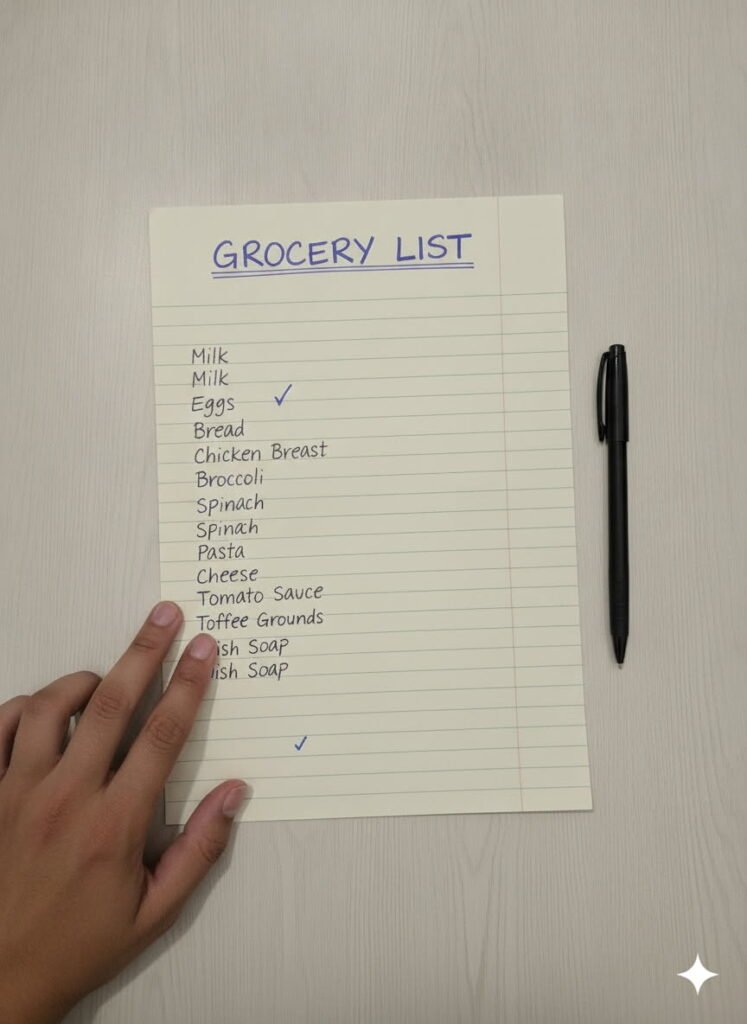
Shopping without a list can lead to overspending.
Many people buy items they do not need.
Before shopping, check your pantry and refrigerator.
Write down the items your family needs.
A grocery list keeps you focused.
It also helps you avoid impulse purchases.
Try organizing your list by store sections.
This can help you shop faster.
Remember to include important items first.
Add extras only if money is available.
Plan Your Meals for the Week
Meal planning is one of the best ways to save money.
It helps you buy only what you need.
Choose meals before creating your grocery list.
Look for recipes using affordable ingredients.
Planning meals can reduce food waste.
It also makes busy evenings easier.
Consider cooking larger portions.
Leftovers can become lunch or another dinner.
Meal planning helps your grocery budget last longer.
Compare Prices Before Buying
Prices can vary between stores.
Always compare costs before making purchases.
Check weekly sales and store advertisements.
Many stores offer discounts on popular items.
You can also compare prices online.
This helps you find the best deals.
Do not assume larger packages are always cheaper.
Check the price per unit before buying.
The United States Department of Agriculture provides helpful food budgeting information.
External resource: USDA MyPlate
Buy Store Brands When Possible
Store brands can help lower your grocery bill.
Many store-brand products have similar quality.
Items like rice, pasta, canned goods, and spices often cost less.
You can save money without giving up quality.
Try replacing expensive brands with affordable options.
You may notice significant savings over time.
Shop With Coupons and Rewards Programs
Coupons can reduce your grocery expenses.
Many stores offer digital coupons through their apps.
Rewards programs can provide additional savings.
Sign up for programs at stores you visit often.
However, avoid buying items only because they are discounted.
A sale is not a savings if you do not need it.
Only purchase items that fit your budget.
Buy Affordable Healthy Foods
Eating healthy does not have to be expensive.
Many affordable foods provide great nutrition.
Beans, rice, oats, eggs, and frozen vegetables are budget-friendly choices.
These foods can help create many different meals.
Frozen fruits and vegetables can also save money.
They often last longer than fresh options.
The Food and Drug Administration provides nutrition information for consumers.
External resource: FDA Nutrition Information
Avoid Food Waste
Food waste can hurt your budget.
Many families throw away unused groceries each month.
Store food properly to make it last longer.
Use leftovers before cooking new meals.
Freeze items that you cannot use quickly.
This can prevent unnecessary spending.
Keeping your refrigerator organized also helps.
You can easily see what needs to be used.
Buy in Bulk Carefully
Buying in bulk can save money.
However, it only works when you use the items.
Avoid buying large quantities of food you rarely eat.
Unused products can waste money.
Bulk purchases work best for household staples.
Examples include paper products, rice, and canned foods.
Always compare prices before buying larger packages.
Use Cash or a Grocery Spending Limit
Setting a spending limit can improve your habits.
Some people use cash to control grocery spending.
A limit helps you stay aware of your purchases.
It prevents adding unnecessary items to your cart.
Tracking your grocery spending can reveal patterns.
You may discover areas where you can save.
For more money management ideas, visit our [Budget Tips Guide].
Final Thoughts

Buying groceries on a budget requires planning.
It does not require giving up good meals.
Creating a grocery list can prevent overspending.
Meal planning can help reduce waste.
Comparing prices can lead to better savings.
Small changes can make a big difference.
Your grocery budget is an important part of financial health.
Smart shopping habits can help you reach your money goals.
Start with one simple change today.
Over time, those changes can create lasting savings.